Skip to content
  • 98087, Lynnwood, WA
  • info@royalfacade.us

REQUEST A CALL

  • +1 (509) 655-3188
  • About us
  • Production
  • Visualization
  • Price
  • Installation
  • Our Projects
  • Certificates
  • Contacts
  • About us
  • Production
  • Visualization
  • Price
  • Installation
  • Our Projects
  • Certificates
  • Contacts
CATALOG
PRICE-LIST
Price
Price - slider
Price - inputs
$
$
Manufacturer
Manufacturer
Tile classification
Tile classification
Tile format
Color
Color
*price per sq. ft.
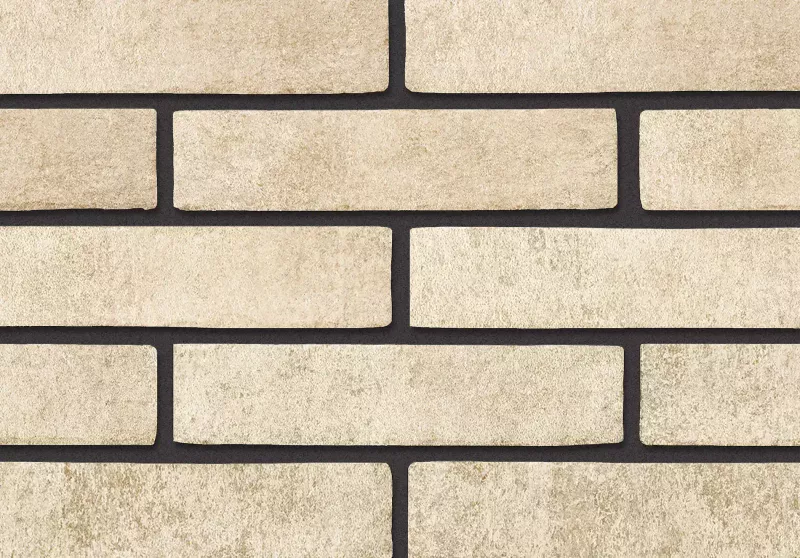
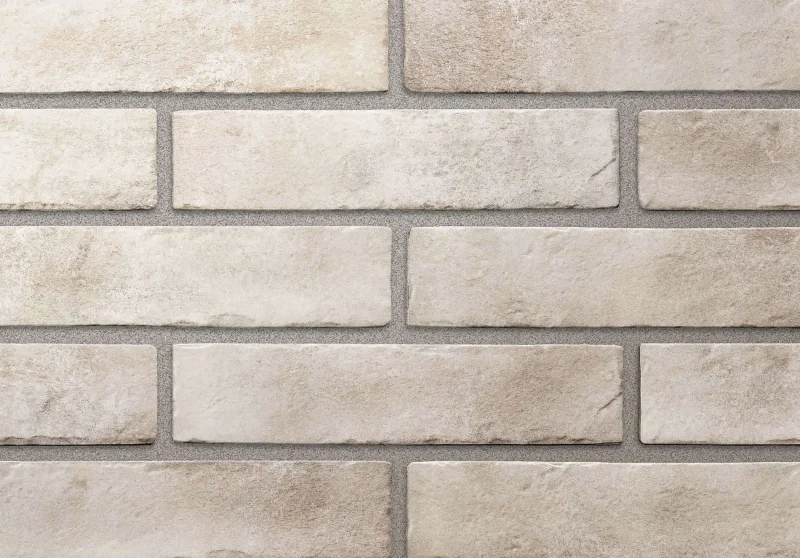
seven-tones-biege

Seven Tones Beige

From $8.95

Add to Cart
Klinker-Brick-grey

Klinker Brick Grey

From $8.95

Add to Cart
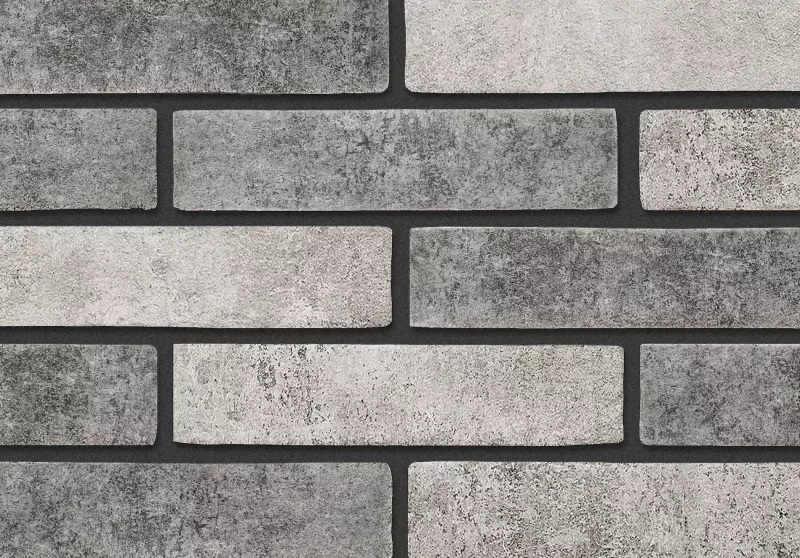
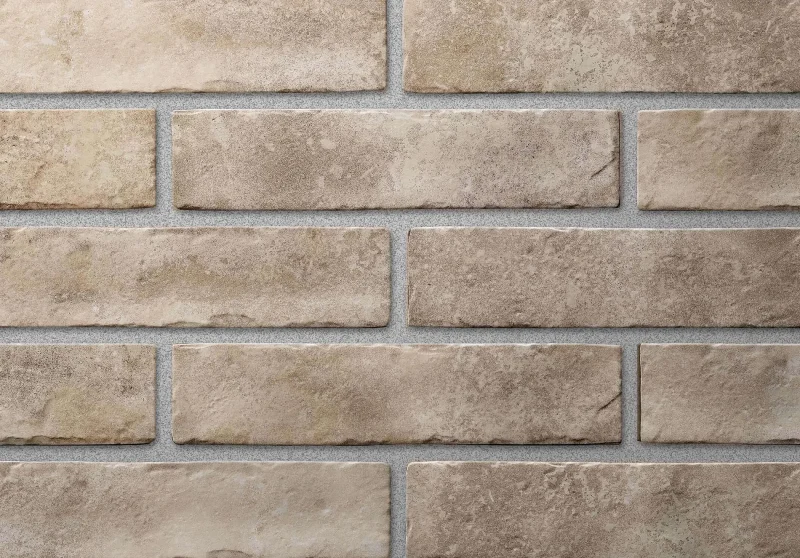
seven-tones-grey

Seven Tones Grey

From $8.95

Add to Cart
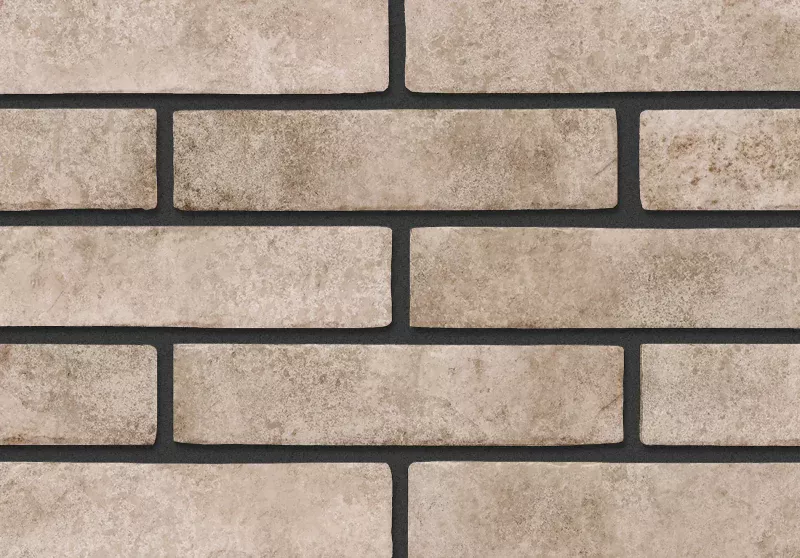
Klinker-Brick-beige

Klinker Brick Beige

From $8.95

Add to Cart
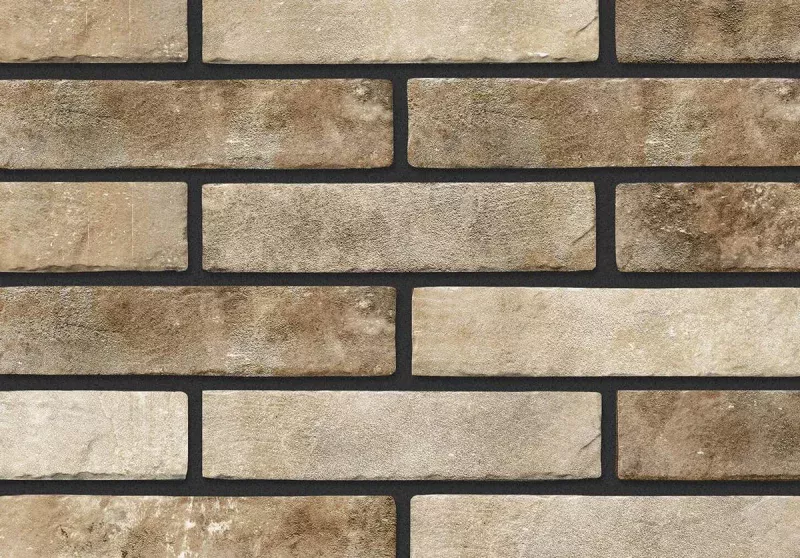
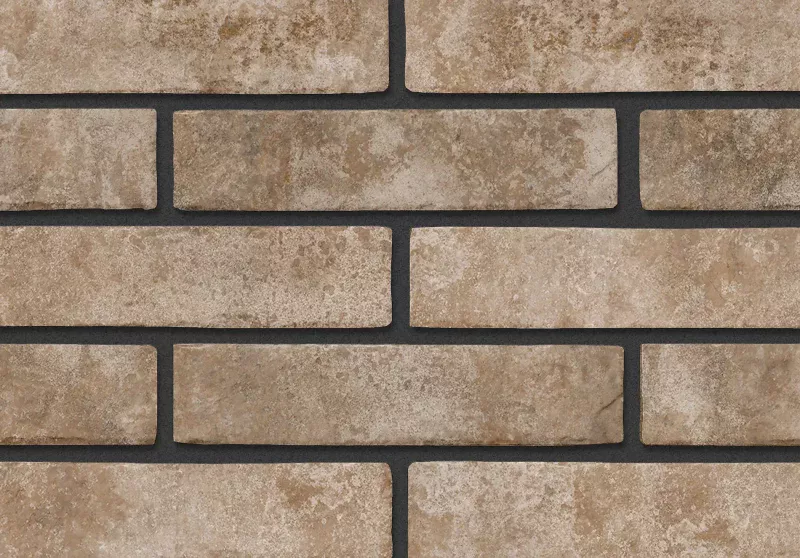
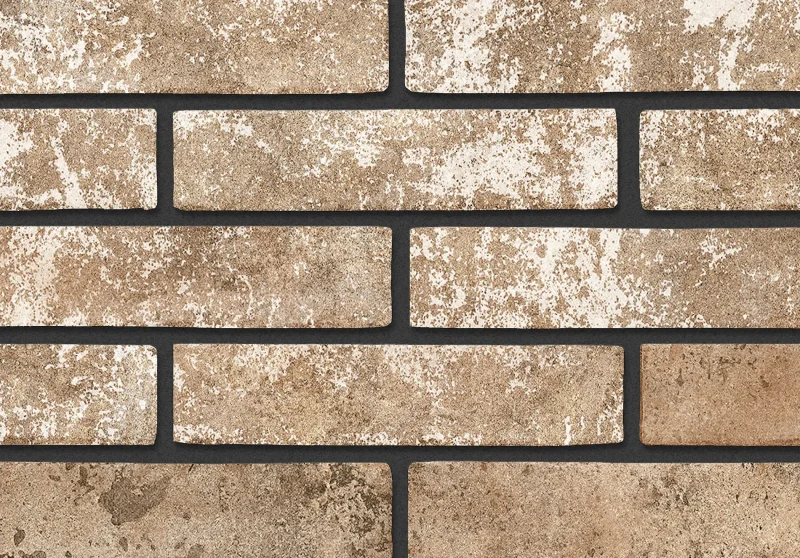
seven-tones-tobaco

Seven Tones Tobaco

From $8.95

Add to Cart
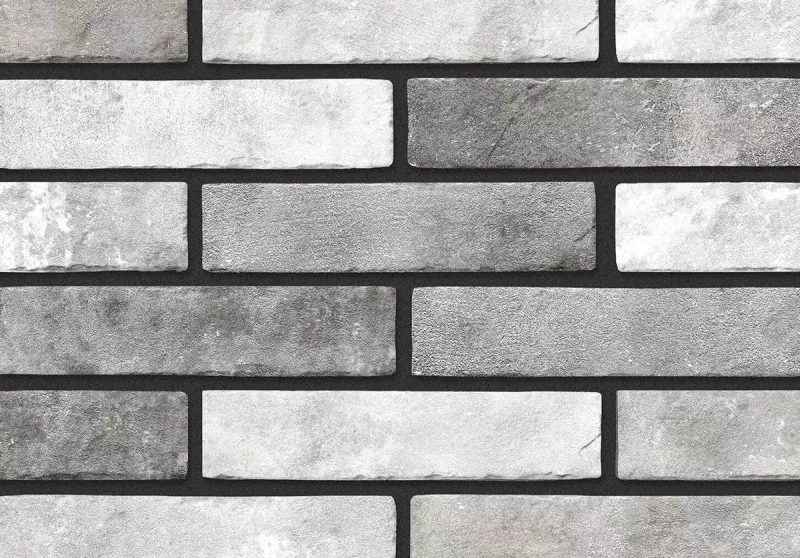
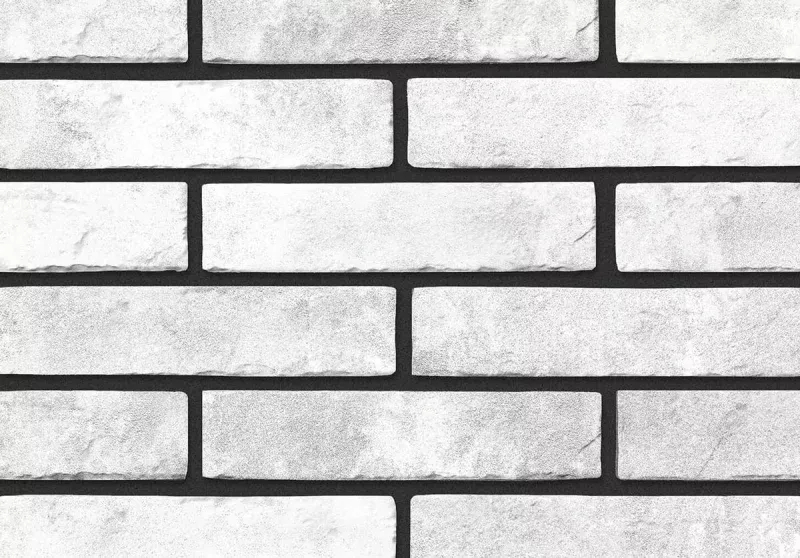
Klinker-Brick-white

Klinker Brick White

From $8.95

Add to Cart
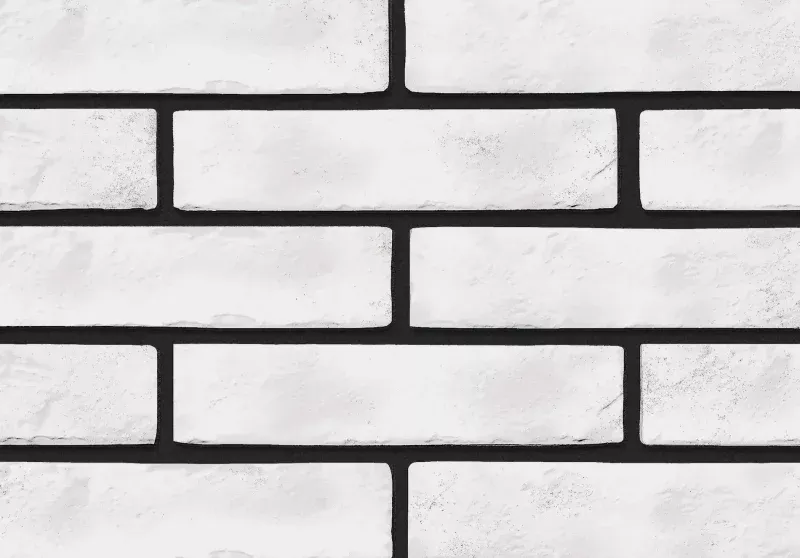
the-strand-white

The Strand White

From $8.95

Add to Cart
baker-street-beige

Baker Street Beige

From $8.95

Add to Cart
baker-street-light-beige

Baker Street Light Beige

From $8.95

Add to Cart
fino-beige

Fino Beige

From $8.95

Add to Cart
fino-dark-beige

Fino Dark Beige

From $8.95

Add to Cart
london-beige

London Beige

From $8.95

Add to Cart
Show more
  • ROYAL FACADE

FAQ

Serving clients nationwide from our headquarters in Lynnwood, WA.
Guaranteed delivery, expert installation, and full warranty protection.

What are clinker thermal panels?

Clinker thermal panels (also known as insulated thin brick siding) are an advanced, all-in-one exterior wall system designed to provide premium brick aesthetics while significantly boosting a building’s energy efficiency.

Unlike traditional masonry, these panels are a 3-in-1 solution that combines high-quality real clay brick veneers with high-density insulation. We offer three primary core materials tailored to your specific climate and project needs:

  1. EPS (Expanded Polystyrene)
  2. EPS Graphite (Expanded Polystyrene with graphite)
  3. XPS (Extruded Polystyrene)

How it’s made: Using a specialized high-pressure manufacturing process, genuine clinker tiles are fused into the insulation core using a one-component polyurethane adhesive. The glue deeply penetrates the materials during polymerization, creating a rock-solid, monolithic bond.

Why choose them? This “all-in-one” design replaces the multi-step process of traditional insulation and bricklaying. You get the timeless look of a hand-laid brick wall with a high R-value insulation, all in a single, easy-to-install panel that protects your home for decades.

How durable is the bond? Will the thin brick detach over time?

We manufacture our thermal panels using time-tested European multi-pressing technology with over 50 years of proven success. This ensures that the thin brick siding becomes a permanent part of your home’s exterior.

Why the bond is industry-leading:

  • Premium Polyurethane Adhesive: We use only high-grade, certified adhesives. The manufacturer guarantees the bonding properties for at least 35 years, ensuring the thin bricks remain fused to the insulation core even in extreme freeze-thaw cycles.
  • Monolithic Structure: During our specialized production process, the adhesive undergoes polymerization, creating a deep molecular bond between the thin brick veneer and the insulation. This creates a high-strength, single-piece panel rather than just a “glued-on” surface.
  • The Durability of Genuine Clay: Our thin bricks are crafted from natural clay, fired at temperatures reaching 2000 °C (approx. 3600 °F). This creates an incredibly dense, weather-resistant material that maintains its integrity for centuries.
  • Rigorous Quality Control: Every stage of production is monitored to meet strict quality standards. We encourage you to watch our stress-test videos to see exactly how much force our thin brick panels can withstand.

Total Lifespan: While the adhesive is rated for 35 years, the overall service life of Royal Facade thin brick thermal panels exceeds 50 years, making it a permanent, low-maintenance upgrade for your property.

How do I choose the right insulation type and thickness for my thin brick panels?

The ideal insulation thickness depends on your specific U.S. Climate Zone and local building codes. At Royal Facade, our experts provide customized thermal calculations to ensure your project meets or exceeds national energy efficiency standards.

Key factors we consider for your thin brick system:

  • R-Value Requirements: Each state has specific R-value (thermal resistance) requirements. We help you determine the necessary thickness of EPS or XPS core to optimize your home’s energy performance and reduce utility bills.
  • Climate Zone Optimization: Whether you are in the rainy Pacific Northwest (like our headquarters in Lynnwood, WA) or a colder Northeast climate, we calculate the precise thickness needed to move the “dew point” outside your structural walls, preventing moisture buildup.
  • Compliance with Standards: Our calculations are based on the International Energy Conservation Code (IECC) and ASHRAE standards, ensuring your renovation or new construction is fully compliant with modern U.S. building regulations.

Not sure what you need? Contact our technical team for a professional consultation. We will calculate the optimal thickness for your thin brick thermal panels based on your local weather patterns and wall structure.

Can I install thin brick thermal panels during the winter?

Yes! One of the biggest advantages of our system is that it can be installed in freezing temperatures as low as 7 °F (-14 °C).

While traditional masonry often stops when the temperature drops, our all-weather “dry-fit” installation technology allows you to upgrade your home’s exterior year-round.

What you need to know about winter installation:

  • Dry Installation Method: Because our thin brick panels are mechanically fastened (not dependent on wet mortar for adhesion to the wall), they can be securely installed in mid-winter without the risk of freezing.
  • Weather Conditions: Installation should be avoided during active precipitation, such as heavy rain or snow, to ensure the structural integrity of the wall remains dry.
  • Joint Grouting (Pointing): While the panels themselves can be installed in the cold, the finishing grout requires a minimum temperature of 41 °F (+5 °C) to cure properly.
  • The “Two-Phase” Strategy: Many of our U.S. clients choose to install the thin brick panels during the winter to take advantage of off-season pricing and contractor availability. You can then complete the joint grouting in the spring once the weather warms up.

Why install in winter? Beyond the immediate energy savings, winter installation is often more cost-effective. You can secure your project at a better price point and have your home fully insulated and beautiful by the time the spring thaw arrives.

How long does it take to install thin brick thermal panels on a 2,200 sq. ft. house?

Based on our extensive experience, the installation timeline depends on the building’s architecture, site conditions, and the crew’s expertise. However, our system is designed for speed and efficiency.

Estimated Timeline: On average, a professional crew of 2–3 installers can complete a turnkey installation for a standard 2,200 sq. ft. (approx. 200 sq. m.) home in about 3 to 4 weeks. This is significantly faster than traditional masonry, which could take months.

Factors that influence the speed:

  • Crew Experience: If your contractors are new to thin brick thermal panels, there may be a short learning curve. To ensure the highest quality, we recommend hiring experienced siding professionals.
  • Architectural Complexity: Homes with many corners, gables, or intricate window trim may require additional time for precision cutting and fitting.
  • On-Site Support: To guarantee a smooth process, we offer a “Field Supervision” service. We can send a factory expert to your job site to train your local crew and oversee the first day of installation, ensuring every panel is perfectly aligned and secured.

Why choose our system? Because this is an all-in-one solution (insulation + exterior finish), you eliminate the need for separate sub-contractors for insulation and masonry, drastically reducing your overall construction or renovation schedule.

Are your thin brick thermal panels fire-resistant? (Fire Rating)

Safety is our top priority. Our thin brick thermal panels are engineered with advanced fire-retardant properties to ensure maximum protection for your home or commercial building.

Key Fire Safety Features:

  • Self-Extinguishing Materials: The insulation core (EPS, XPS) contains specialized fire-retardant additives (flame retardants). In the event of exposure to an external flame, the material is classified as self-extinguishing, meaning it will not support combustion and will stop burning once the heat source is removed.
  • Non-Combustible Thin Brick Face: The exterior layer consists of genuine clay thin bricks fired at 3600 °F. These bricks are naturally non-combustible and act as a robust thermal shield for the building’s structure.
  • Certified Protection: Royal Facade products have undergone rigorous testing in independent laboratories and hold European Class B-s1, d0 rating, which is one of the highest safety classifications for combustible construction materials. These tests confirm that our panels meet high international standards for flame spread and smoke development.
  • Smoke and Heat Shield: Our system is designed to minimize heat transfer, helping to protect the structural integrity of your walls during a fire.

Building Code Compliance. Our panels are designed to meet modern safety requirements. If your project requires specific documentation for insurance or local building permits (such as NFPA or ASTM fire test data), please contact our technical department in Lynnwood, WA, and we will provide the necessary technical data sheets.

On which surfaces can thin brick thermal panels be installed?

Our system is incredibly versatile and was designed to be compatible with almost any structural surface found in modern and classic American architecture. Because our thin brick panels are lightweight, they do not require a concrete foundation ledge, making them ideal for both new builds and renovations.

Compatible Surfaces Include:

  • Wood-Frame Walls (OSB & Plywood): This is the most common application in the U.S. Our panels can be mounted directly onto OSB or plywood sheathing. The mechanical fastening system ensures the load is evenly distributed across the frame.
  • Concrete & CMU Blocks: Perfect for commercial buildings or homes with masonry foundations. The panels provide an immediate aesthetic upgrade and a massive boost in R-value.
  • SIP Panels: Our lightweight system is a perfect match for Structural Insulated Panels, adding an extra layer of protection and a premium finish.
  • Existing Siding: In many cases, our system can be installed over old siding or brick (after proper surface preparation), saving you the cost and mess of a total tear-off.
  • Metal Stud Framing: Our fastening system is easily adaptable for steel-frame commercial or residential structures.

Key Advantage for Frame Houses: A traditional full-depth brick wall weighs approximately 40 lbs per square foot, requiring a massive foundation. Our thin brick thermal panels weigh significantly less, providing the “forever home” look of real brick without the structural strain or the need for expensive foundation reinforcements.

Not sure if your wall is ready? Contact our technical team in Lynnwood, WA, for a surface compatibility assessment.

How do thin brick thermal panels help me save on energy bills? (Energy Efficiency)

Our thermal panels are engineered to be a “thermal envelope” for your home. By combining high-density insulation with a genuine thin brick exterior, we provide a solution that significantly reduces the energy required to heat and cool your living space.

How the savings are achieved:

  • High R-Value Insulation: Depending on the thickness you choose, our panels provide a superior R-value (thermal resistance). This means in the winter, the heat stays inside, and in the summer, the scorching heat stays out.
  • Eliminating Thermal Bridging: Unlike traditional siding installed over studs, our interlocking thin brick panels create a continuous layer of insulation. This eliminates “thermal bridges”—the gaps where energy typically leaks through your walls.
  • Reduced HVAC Strain: Because your home maintains its temperature more effectively, your heating and air conditioning (HVAC) system doesn’t have to work as hard. This leads to lower monthly utility bills and extends the lifespan of your HVAC equipment.
  • Air-Tight Seal: Our precision-engineered joints protect your home from air infiltration and drafts, which are often the leading causes of energy loss in older American homes.

The Financial Impact: On average, homeowners who upgrade to our thin brick thermal panels see a reduction in their energy costs by up to 30% or more. Over time, the system practically pays for itself through these monthly savings.

Pro Tip: Many utility companies in the U.S. offer rebates or tax credits for home energy efficiency upgrades. Check with your local provider in Washington State or your specific region to see if your project qualifies.

Privacy Policy
Return and Refunds
MENU
  • About Us
  • Services
  • Catalog
  • Certificates
  • Projects
  • Contacts
CONNECT WITH US
  • +1 (509) 655-3188
  • info@royalfacade.us
  • 98087, Lynnwood, WA
REQUEST A CALL
Privacy Policy
Return and Refunds
Royal Facade 2026 © All rights reserved

Request a Call

Our manager will contact you shortly

I agree to the processing and storage of personal data

Request a Call

Our manager will contact you shortly

I agree to the processing and storage of personal data

THANK YOU FOR CONTACTING US!

We will contact you shortly